


Do Solar Eclipses Affect Animals? Behavior, Science & Pet Safety Guide (2026)
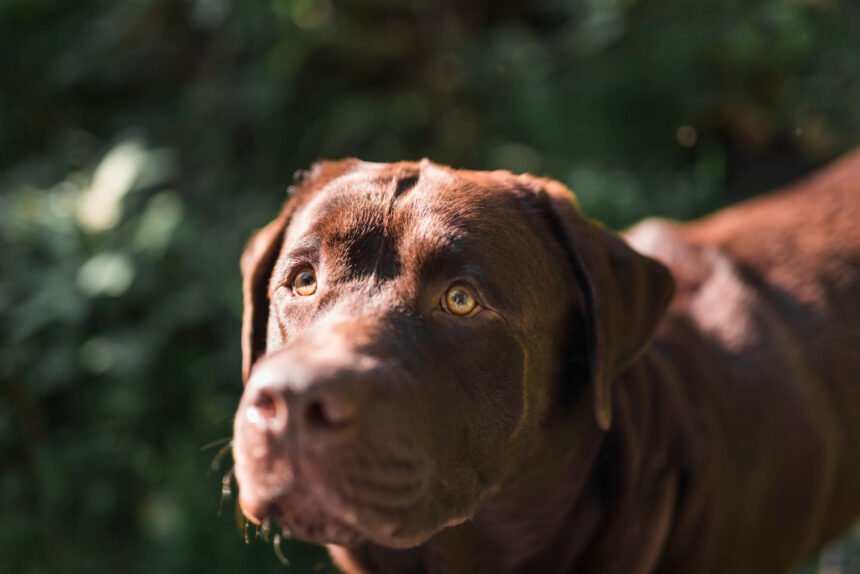
Last weekend, I was sitting in my backyard with my dog “Poppy” enjoying the warm afternoon sun. Suddenly, the light began to dim. Max lifted his head, his nose twitching, and his ears rotating, searching for the source of this mysterious change. He didn’t know what a solar eclipse was, but he could feel that something wasn’t right.
- Do Solar Eclipses Affect Animals? Quick Answer
- Why Do Solar Eclipses Affect Animals? 5 Science-Backed Reasons
- 1. Changes in Light and Temperature Signals
- 2. Circadian Rhythm Confusion
- 3. Anxiety and Stress Responses
- 4. Thermal Activity Changes
- 5. Unexpected and Bizarre Reactions
- How Do Different Animals React to Solar Eclipses?
- 🐦 Birds: Silence Then a False Dawn Chorus
- 🐝 Insects: Immediate Shutdown
- 🐘 Large Mammals: Return to Nighttime Shelters
- 🐕 Pets: Anxiety and Confusion
- 🦎 Reptiles & Amphibians: Sudden Nocturnal Activity
- ⚠️ Critical Warnings: What to Avoid During an Eclipse
- How to Keep Your Pet Safe During a Solar Eclipse (Step-by-Step)
- Should I Take My Pet to See the Eclipse?
- Frequently Asked Questions About Animals and Solar Eclipses
- Can solar eclipses damage dogs’ and cats’ eyes?
- Do chickens react to solar eclipses?
- Do nocturnal animals wake up during an eclipse?
- Do marine animals get affected?
- Do dogs with thunderstorm phobia react more strongly?
- What should I do if my pet runs away during an eclipse?
- Can I give my pet sedatives during an eclipse?
- Do zoo animals react differently than pets?
- Final Verdict: Do Solar Eclipses Affect Animals?
- Related Articles You Might Like
- Sources & References
If you’ve ever wondered like I did: do solar eclipses affect animals? — you’re in the right place. The short answer? Yes, animals are affected by solar eclipses, both pets and wildlife. But the effects vary dramatically between species. Let’s explore what science has to say.
🩺 Medically Reviewed by a Licensed Veterinarian (DVM)
This article was reviewed for accuracy by a licensed veterinarian (DVM). Last reviewed: August 2026.
Do Solar Eclipses Affect Animals? Quick Answer
| Question | Answer |
|---|---|
| Do animals react to solar eclipses? | ✅ Yes, most species react |
| Are solar eclipses dangerous to animals? | ❌ No, the effects are temporary |
| Do animals look directly at the sun during an eclipse? | ❌ No, they instinctively avoid it |
| Does my dog need eclipse glasses? | ❌ No, they won’t look at the sun |
| Can solar eclipses damage animal eyes? | ⚠️ Extremely rare, not scientifically documented |
| Should I keep pets indoors during an eclipse? | ✅ Yes, indoors is best |
| Do nocturnal animals wake up during an eclipse? | ✅ Yes, some become active |
Why Do Solar Eclipses Affect Animals? 5 Science-Backed Reasons
Wild and domestic animals rely on critical environmental cues — like light and temperature — to regulate their daily lives. When light fades and temperatures drop suddenly, these cues change dramatically. Here are five science-backed reasons why do solar eclipses affect animals across the board:
1. Changes in Light and Temperature Signals
The sun isn’t just a light source; it’s a biological compass. Monarch butterflies use the sun to orient during migrations, and bats use polarized sunlight at dusk to guide their internal compasses. When the sun disappears, these navigation systems get disrupted.
2. Circadian Rhythm Confusion
When day suddenly turns to night, animals’ biological clocks get confused. Diurnal birds stop singing as if evening has arrived hours early, while nocturnal animals like owls and frogs become active.
3. Anxiety and Stress Responses
Dogs and cats often pace, whine, or hide during totality — a reaction researchers compare to their responses to fireworks or thunderstorms. Pets with thunderstorm anxiety may be triggered because of the sudden change in light.
4. Thermal Activity Changes
As the sun disappears, temperatures drop. This affects thermal air currents that raptors rely on for flight. During the 2001 eclipse in Zambia, observers noted raptors stopped circling, possibly due to the change in thermals as the air cooled.
5. Unexpected and Bizarre Reactions
In a 2017 Riverbanks Zoo study, about 75% of observed species showed a measurable response. Some were completely surprising: Galápagos tortoises — considered lazy animals — started mating during totality!
How Do Different Animals React to Solar Eclipses?
🐦 Birds: Silence Then a False Dawn Chorus
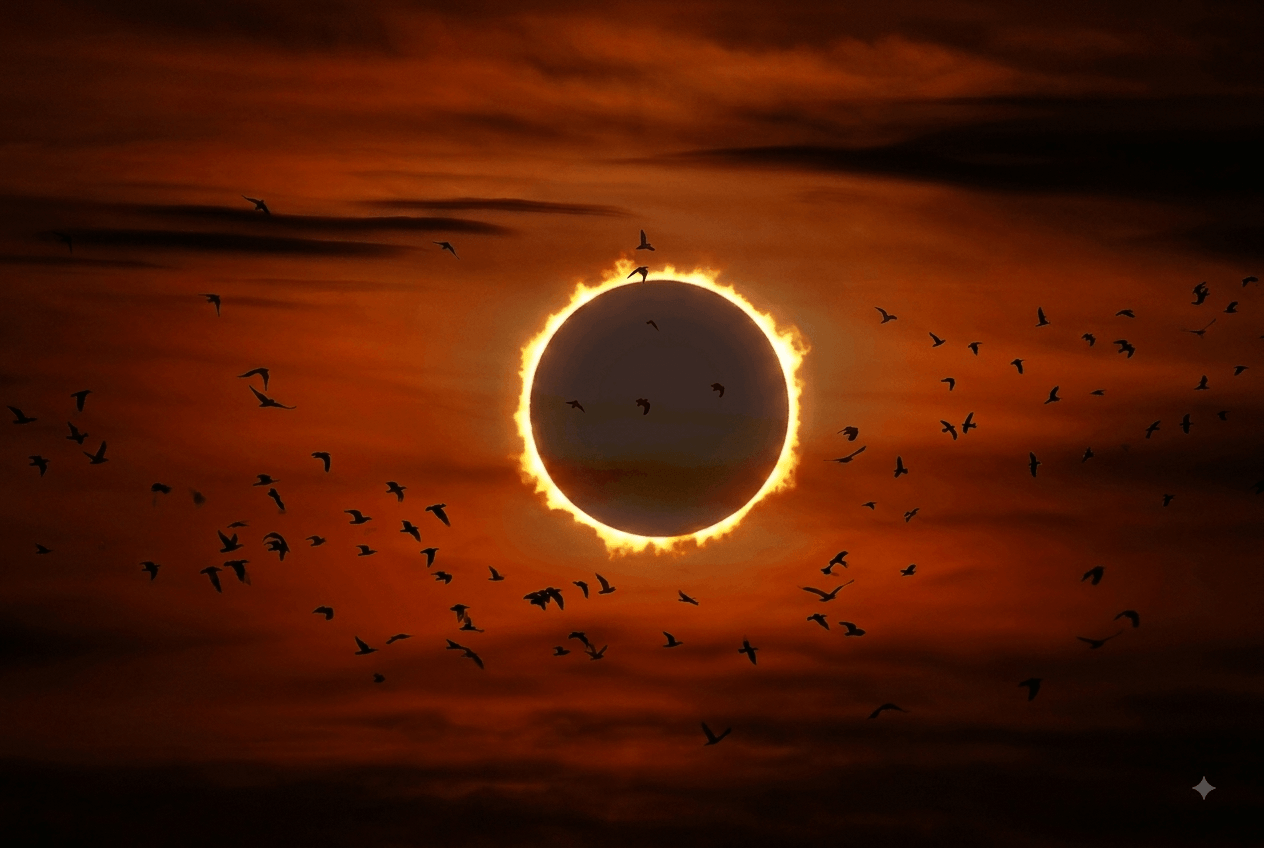
During a total eclipse, diurnal birds suddenly fall silent. But the amazing part happens after totality ends: birds burst into a synchronized false dawn chorus, as if a new day was dawning! In a major 2024 eclipse study, 29 of 52 bird species showed changes in their usual patterns of singing and behavior during the eclipse.
🐝 Insects: Immediate Shutdown
Bees stop flying entirely during totality. In a 2017 study using microphones placed in flowers, bees stopped buzzing — but only during complete totality. Orb-weaving spiders dismantled their webs as they do at night.
🐘 Large Mammals: Return to Nighttime Shelters
Elephants headed straight to their nighttime sleeping areas. Gorillas collectively approached their evening habitat. Giraffes — normally calm — ran and appeared stressed. Flamingos gathered together in groups.
🐕 Pets: Anxiety and Confusion
Dogs and cats may show clear signs of anxiety: pacing, whining, hiding. Animals that suffer from thunderstorm phobia may react more strongly. Understanding do solar eclipses affect animals like your pets is crucial for their comfort.
🦎 Reptiles & Amphibians: Sudden Nocturnal Activity
Frogs and crickets began chirping. The Tawny Frogmouth — which sleeps during the day — woke up and started hunting. Even fireflies lit up their bodies during the 2017 eclipse!
⚠️ Critical Warnings: What to Avoid During an Eclipse
| Risk | Explanation | When It’s Dangerous |
|---|---|---|
| Anxiety & Stress | Sudden light change triggers storm-like reactions | Pets with thunderstorm phobia |
| Escaping from Home | Confusing light may disorient animals | If pets are outdoors |
| Crowds & Noise | Human crowds increase stress | Public viewing areas |
| Temperature Drops | Sudden cooling affects young/sensitive animals | Very young or sick animals |
⚠️ Critical Warning: Don’t Force Eclipse Glasses on Your Pet!
Unlike humans, animals do not look directly at the sun — they instinctively avoid it. Putting glasses on your dog would be more stressful than the eclipse itself! No cases of eye damage in animals due to eclipses have been documented in 15 years of veterinary practice.
How to Keep Your Pet Safe During a Solar Eclipse (Step-by-Step)
🩺 Veterinary Guideline: Maintain Routine
Animals are sensitive to our emotions. If you’re excited or anxious, your pet will pick up on that feeling. Stay calm.
| Pet Type | Size/Species | Recommended Action |
|---|---|---|
| Cats | All sizes | ✅ Keep indoors |
| Small Dogs | 2 – 10 lbs (1 – 4.5 kg) | ✅ Indoors, calm music |
| Medium Dogs | 11 – 25 lbs (5 – 11 kg) | ✅ Walk before eclipse, then inside |
| Large Dogs | 26+ lbs (12+ kg) | ✅ Safe indoor space, familiar toys |
Practical Steps:
- Step 1: Exercise Before the Eclipse
Take your dog for a walk an hour before the eclipse. This reduces the need to go outside during the event. - Step 2: Create an Indoor Sanctuary
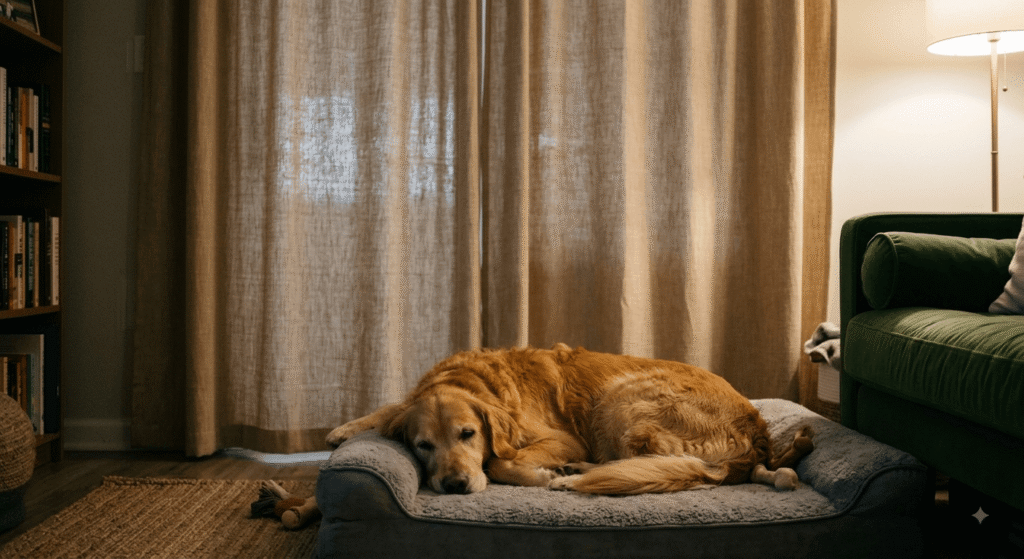
Close windows and curtains. Play calming music or keep the TV on at low volume. - Step 3: Keep Lights On
Indoor lighting reduces the impact of sudden darkness outside. - Step 4: Don’t Change the Routine
Feed and give water at normal times. Routine = security. - Step 5: Watch for Anxiety Signs
Constant pacing, whining, trembling, hiding — if these appear, give your pet space and calm.
Should I Take My Pet to See the Eclipse?
The answer: We don’t recommend it.
If you’re traveling to view the eclipse, leave your pet at home. Traffic congestion, crowds, and noise stress animals more than the eclipse itself.
If they must be with you:
- 🚗 Keep them in the car with AC running during the eclipse
- 🆔 Ensure they have a microchip or ID tag
- 🚫 Never leave them alone in the car
Frequently Asked Questions About Animals and Solar Eclipses
Can solar eclipses damage dogs’ and cats’ eyes?
No. Animals instinctively avoid staring at the sun, protecting their eyes without the need for specialized glasses. No documented cases of eclipse-related eye damage in pets exist.
Do chickens react to solar eclipses?
Yes! Chickens gather together and get quiet. Roosters may crow as they do at dawn. This proves that do solar eclipses affect animals across all species, including domestic poultry.
Do nocturnal animals wake up during an eclipse?
Yes. Owls, frogs, crickets, and even bats may become active. During the 1932 eclipse, skunks came out to forage in the dark.
Do marine animals get affected?
Evidence is limited. Humpback whales in Iceland showed no dramatic reactions. Seals may appear curious but remain relatively calm.
Do dogs with thunderstorm phobia react more strongly?
Yes. Sudden light changes and darkness may trigger the same neural stress response. Use the same calming strategies you use for storms.
What should I do if my pet runs away during an eclipse?
Ensure they have a microchip, an ID tag on their collar, and recent photos of your pet. Contact local shelters immediately.
Can I give my pet sedatives during an eclipse?
Don’t give any medication without consulting your veterinarian. Natural calming aids like Adaptil (for dogs) or Feliway (for cats) may help, but consult your vet first.
Do zoo animals react differently than pets?
Yes. Zoo animals often show more dramatic reactions because they’re in enclosures that limit their ability to seek shelter. Elephants head to sleeping areas, giraffes run, and tortoises may start mating!
Final Verdict: Do Solar Eclipses Affect Animals?
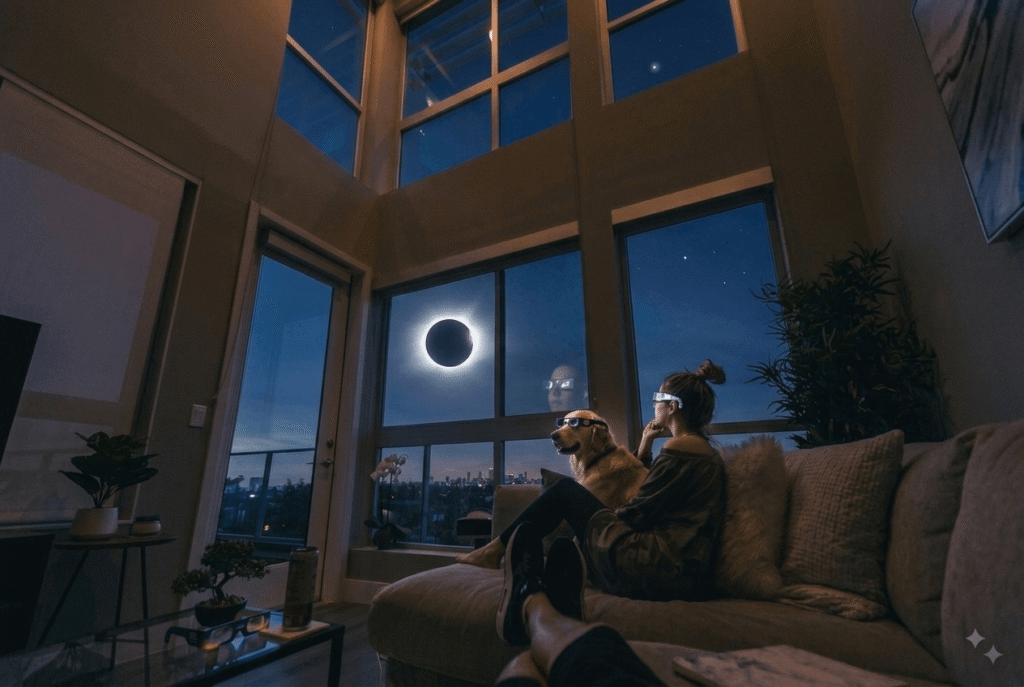
Yes — animals are affected by solar eclipses, but the effects are temporary and fleeting. Most return to normal behavior within minutes of totality ending. Scientific studies confirm that about 75% of species show a measurable reaction, whether it’s anxiety, sudden nocturnal activity, or unexpected behaviors.
Remember the Golden Rules:
- ✅ Keep pets indoors
- ✅ Maintain routine and calm
- ✅ Create a comfortable environment (calm music, lights on)
- ✅ Ensure pets have identification
- ❌ Don’t force glasses on your pet
- ❌ Don’t leave them alone in a car
- ❌ Don’t give sedatives without veterinary advice
💡 Remember: Animals don’t understand what a solar eclipse is, but they feel the change. Your role as a pet owner is to provide safety and stability in a moment when the world around them feels confusing.
Related Articles You Might Like
- How to Calm Your Dog from Thunderstorm Phobia
- Do Cats Need Sunlight? A Complete Guide
- The Biological Clock of Animals: How Light and Darkness Affect Them
- 10 Signs of Anxiety in Dogs and How to Handle Them
- Traveling with Pets: Tips and Safety Guide
Sources & References
At Pet4Joy, all our guides are reviewed against veterinary standards and trusted sources:
- Euronews — “Anxious dogs and silent birds: What happens to animals during a total solar eclipse” (August 2026)
- Smithsonian Magazine — “How Do Animals React to a Total Solar Eclipse?” (April 2024)
- National Geographic — “Surprising ways animals react to solar eclipses” (August 2017)
- American Animal Hospital Association (AAHA) — “Pet safety tips during solar eclipses” (August 2026)
- U.S. Fish & Wildlife Service — “Wildlife Behavior and a Solar Eclipse”
- NASA Eclipse Soundscapes Project — Cricket and sound studies during eclipses
Disclaimer: Content on Pet4Joy is for informational purposes only and does not substitute professional veterinary advice. This article has been reviewed for accuracy by a licensed veterinarian (DVM). However, every animal is unique. Always consult your own veterinarian before making decisions about your pet’s health, especially if your pet suffers from anxiety disorders or other health conditions.